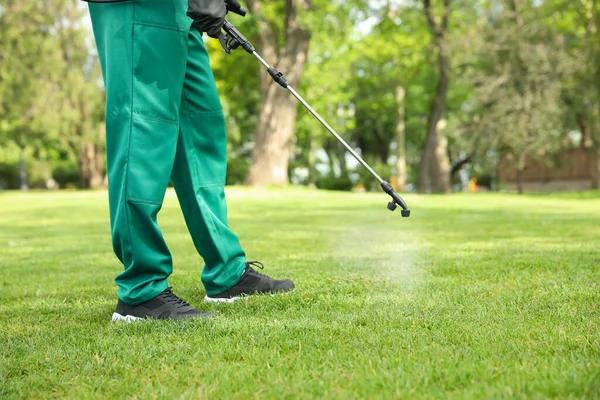

In recent years, the emphasis on sustainable living has extended beyond the confines of our homes to encompass outdoor spaces, including lawns and gardens. As concerns about environmental impact and personal health grow, many homeowners are seeking eco-friendly alternatives for lawn pest control that ensure safer outdoor environments.
Traditional chemical pesticides have long been used to combat pests effectively; however, they often come with significant drawbacks. These chemicals can harm beneficial insects like bees and butterflies, contaminate water sources through runoff, and pose health risks to humans and pets. In contrast, eco-friendly pest control methods aim to minimize these negative impacts while maintaining a healthy lawn ecosystem.
One of the most effective strategies in eco-friendly pest management is prevention. By creating an environment that discourages pests from settling in the first place, homeowners can reduce their reliance on chemical interventions. This involves practices such as regular mowing at optimal heights to prevent weed growth and improve grass health, aerating soil to promote robust root systems that resist infestations naturally, and ensuring proper drainage to avoid standing water where pests breed.
Companion planting is another valuable technique in sustainable lawn pest control. Certain plants naturally repel specific pests or attract their natural predators. For instance, marigolds are known for deterring nematodes due to their strong scent while attracting beneficial insects like ladybugs that feed on aphids. Incorporating a variety of plant species into landscaping not only enhances biodiversity but also strengthens the resilience of lawns against pest invasions.
Introducing beneficial organisms into the garden ecosystem represents another powerful approach. Ladybugs, lacewings, and predatory beetles consume large numbers of harmful insects without causing damage themselves. Similarly, nematodes—microscopic worms—can be introduced into soil where they target grubs before they mature into adult beetles capable of damaging turfgrass roots.
For those dealing with persistent pest issues despite preventive measures or biological controls alone proving insufficiently effective over time may consider using organic pesticides derived from natural sources such as neem oil or diatomaceous earth which offer targeted action against specific insect populations whilst remaining safe around people animals plants alike when applied correctly according guidelines provided manufacturers labels packaging materials purchased products selected use purpose intended achieving desired outcomes sustainably responsibly environmentally consciously protecting preserving planet future generations enjoy beauty benefits nature offers us all today tomorrow always together united common cause shared vision healthier happier world live love cherish forevermore!
TurfMark Outdoor Solutions
311 Garnett St Suite B, Buford, GA 30518
678-829-8873